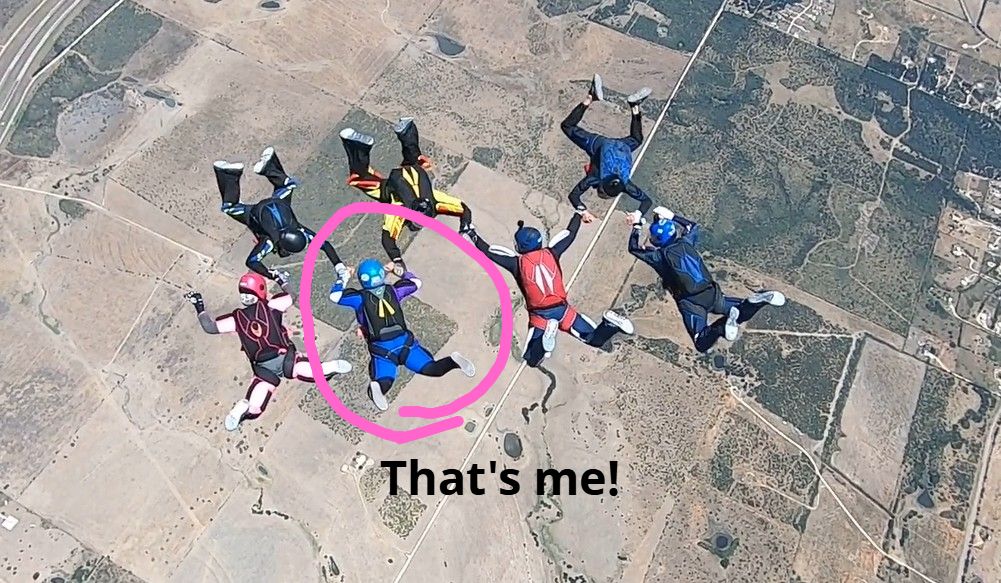
Not long ago, I wrote the first two posts in this series, Amazon Lessons from Skydiving. First we talked about the paradoxical relationship between safety and danger, and how risk isn't measured by feelings. We also talked about ways to reduce risk, both in skydiving and selling on Amazon - and how you can even benefit from the fear that risk can sometimes bring.
Then in part 2, I shared my realization that you don't have to be great to be successful. I'm not naturally a great skydiver, but I love it and I'm motivated to learn and improve my skills. The same works when you're selling on Amazon. You don't have to have the highest ROI or the biggest topline revenue number. We make money on 85% of our items, and lose money on the other 15%. At the end of every year, that's more money (more PROFIT) than we ever made before Amazon!
If you want to see these articles in full, you can read them at the links below. If you read them, I'd love to hear what you thought. Just reply to this email!
Lesson 3 is a doozy. It's less fun than the others, but probably more important. I hate to be a buzzkill, but here it is:
Complacency is more dangerous than inexperience
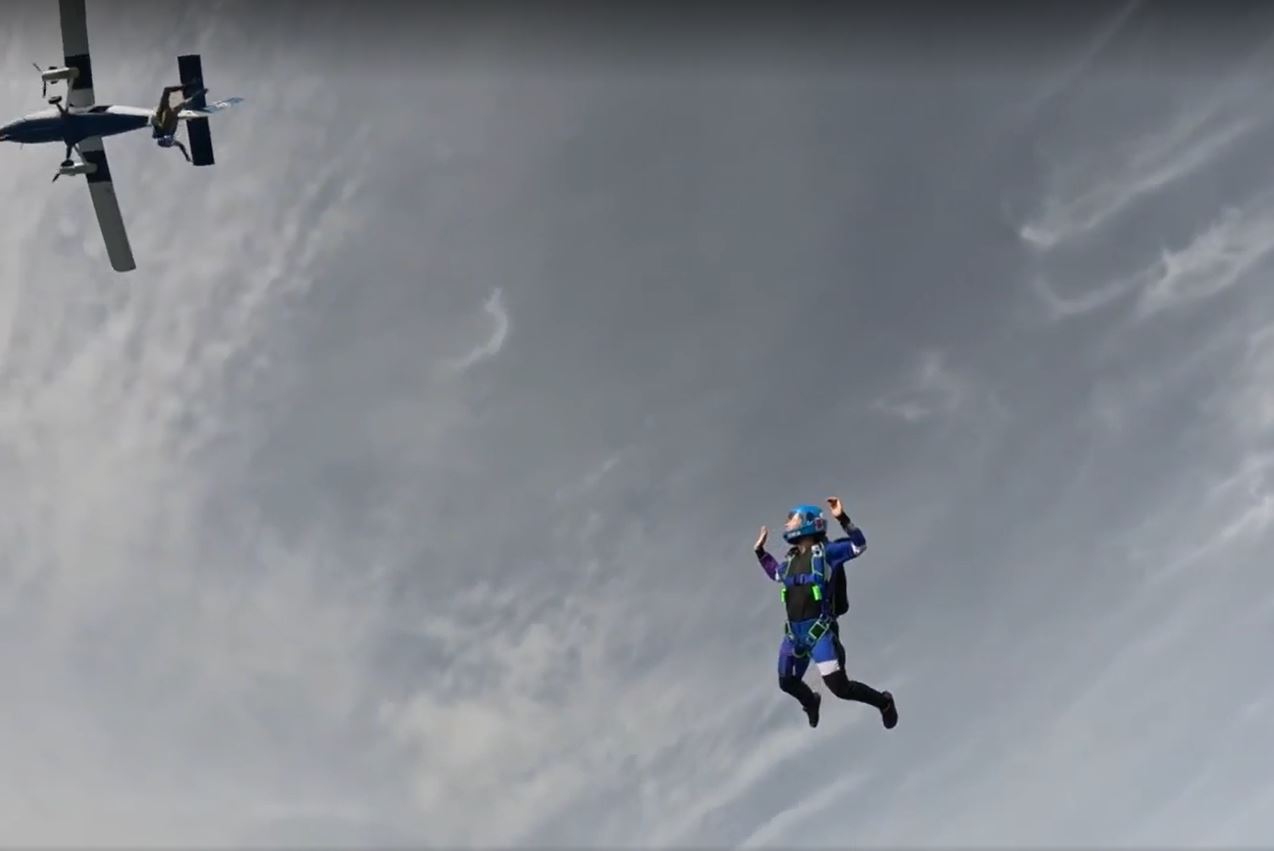
In skydiving, new jumpers are often very fearful. That first jump - especially your first solo jump - might be the scariest moment of your life! When you stand in the open door of an airplane with nothing between you and the world below, you might feel like you are looking death in the eye. In a very real way, you are.
Even after 10 or 100 jumps or more, it’s very normal to be nervous or even afraid. The fear doesn’t have the same power, but on almost every ride up I hear a quiet doubtful voice whispering in my ear, “Are you sure this is a good idea? Why did you think this was a good idea? What if something bad happens?”
A little fear can be healthy. It keeps us aware of potential dangers, and motivates us to look for ways to reduce risk. Complacency is far more dangerous than inexperience. Inexperienced skydivers are prone to bruises and twisted ankles. Bored skydivers eventually become more sobering statistics.
The business connection? It’s normal to be worried about making mistakes when you start. You’re new and inexperienced. You WILL make mistakes. Get used to it early. There’s a big learning curve, and you don’t have a clue where it ends. Spoiler: it doesn’t end, but it does tend to level off and become easier.
Experienced jumpers and adrenaline junkies like to use shockingly small canopies. They swoop and dive at dizzying speeds, often held up by less fabric than a large tablecloth, like sports cars careening wildly around a racetrack in the sky.
But if you start with a bigger canopy, you’ll fall more slowly and crash-land more softly. You might not have a perfect landing, but your beginner mistakes won’t hurt as much.
In real life, this means...
- In business, don’t spend money you can’t afford to lose. Be very cautious about debt, especially early in the learning curve. Grow your business at a controlled, planned rate. Growing too quickly might feel like success but it can quickly backfire.
- Don’t put all your eggs in one basket. Diversify to spread out your risk. Don't go all in on one brand (what if it becomes gated?). Don't limit your knowledge or experience to one category.
- Be prepared to pivot. Windspeed and direction can change without warning, and we sometimes have to adjust our landing pattern on the fly. Keep your head on swivel and be prepared to pivot in business as well, because change comes often with Amazon.
- Have an emergency plan. In skydiving, we have a reserve canopy. Keep some cash in reserve for when Amazon throws you a curveball.
- Don't be in a hurry to downsize your canopy. In skydiving, this shrinks your margin for error. In Amazon, unnecessary risks reduce your capacity for unavoidable dangers and pitfalls.
- Don’t move too quickly in unfamiliar territory. If we're not landing in a safe area on the dropzone, it's critical to watch for unexpected obstacles and dangers - fences, power lines, stumps, people. If you experiment with new sources, categories, tools or methods, slow down and think of yourself as a beginner again.
- Be prepared for some bumpy landings, and try to learn from them. It’s OK to lose money on some sales if you learned a lesson in the process. Consider it tuition, and make a better buy next time.