Not long ago, I wrote the first article in this series, Amazon Lessons from Skydiving. We talked about the paradoxical relationship between safety and danger, and how risk isn't measured by feelings. We also talked about ways to reduce risk, both in skydiving and selling on Amazon - and how you can even benefit from the fear that risk can sometimes bring.
If you want to see that article in full, you can read it here. I think you should. I really enjoyed writing it, and I hope you'll really enjoy reading it as well.
1. Risk isn’t measured by feelings
But now let's move on to lesson 2.
You don't have to be great to be successful
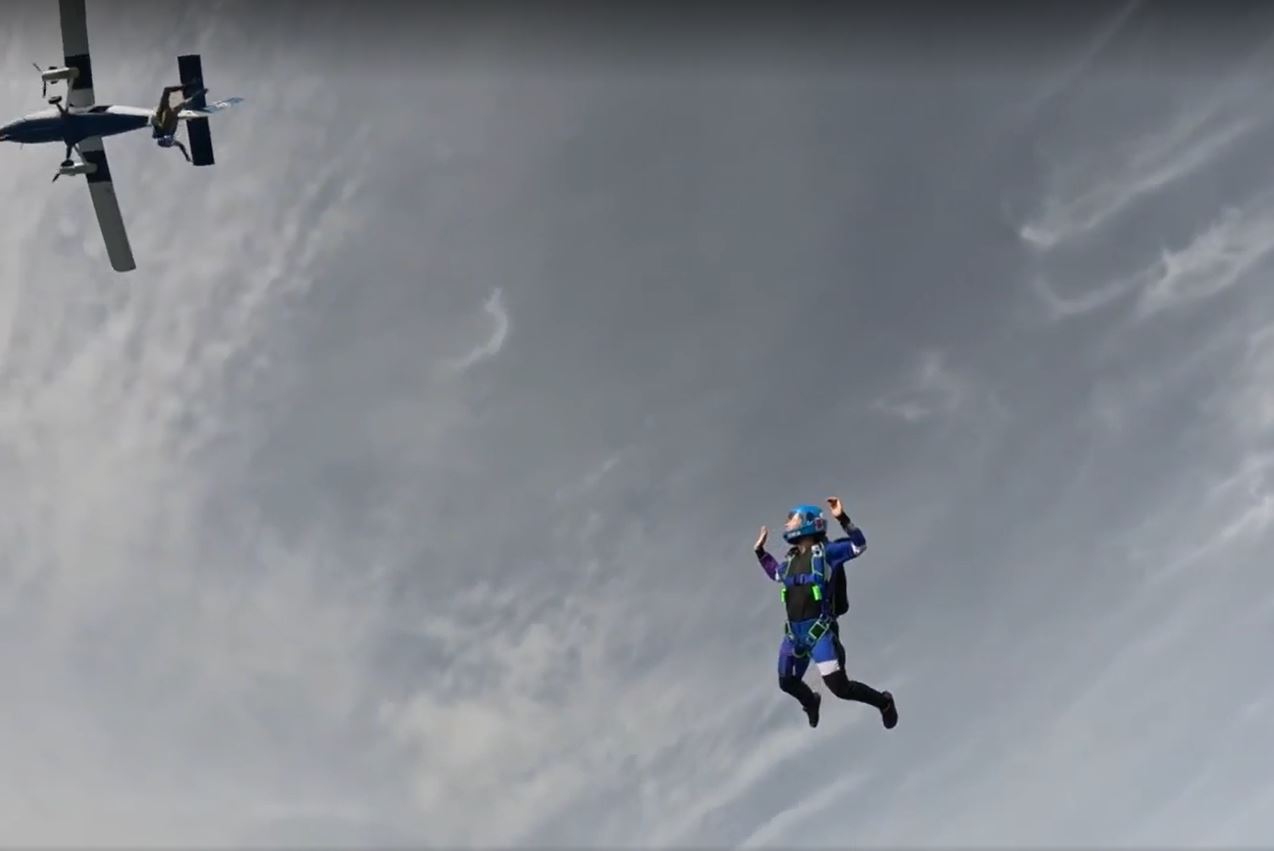
This one is near and dear to my heart. Why? Because although I absolutely LOVE jumping out of planes, I am not a great skydiver. I didn't exactly sail through training - I had to repeat some levels. And now as a licensed jumper, when we do our highly choreographed dances in the sky, I often arrive late to the party or find myself drifting in the wrong direction. Sometimes we even trip and fall in the sky. Yes, you can fall while falling. It's called getting burbled (or caught in someone's burble) and it's hilarious!
But I don't beat myself up over my lack of natural talent. There’s a common saying among skydivers: Any jump you walk away from is a good jump. Did everything go exactly as planned? Did you and your friends do the skydance just as it was choreographed, nailing all the formations in your 60 seconds of freefall before it was time to deploy your canopy? Or was a “zoo dive,” where nothing went as planned but you all laughed about it afterward? Either way, if you all landed safely then it was a good jump.
Some of us are NOT naturals, but we can still learn, improve, succeed and have fun doing it. Even slow learners know more than couch quarterbacks.
As skydiving students, there is a series of skills we are required to learn and demonstrate over the course of our first 25 jumps in order to become a licensed jumper. I was not a natural. I was forced to repeat some jumps in the progression because I couldn’t get stable in the tracking position. As a former straight A student, it was humbling to flunk a level...twice.
But after hundreds of jumps, there’s a pretty good chance I know more about skydiving than you do. I’m not the best, but I’m much better than I was 200 jumps ago. More importantly, I love jumping out of planes and I’m continuing to improve my skills. I can fall with style. I’m excited about continuing to add to my skills.
In business, we don’t have to be the best. We don’t have to end every year with 25% YOY growth, or 100% ROI. We don’t have to make big money on every platform. It’s nice if that happens, but we’re not failures if we don’t hit all the marks.
Would you be shocked if I told you historically we have broken even or lost money on about 15% of our items? But look at the other side of that coin: we made money on 85% of our items. That’s a sustainable business model.
Running a business doesn’t come easy to most of us. We have strengths and weaknesses. We know plenty of sellers who are smarter and more profitable than we are - but we have also helped a lot of sellers who were struggling in areas where we are strong. Our business is paying the bills for us and for our employees, and we are thankful for it every day.
Almost anyone can skydive or sell on Amazon if they really want to, but wanting doesn't mean it's a great idea or the right time. Skydiving (or selling on Amazon) is not for everyone. Does it fit your:
- Goals - what you want
- Characteristics - who you are
- Skills - what you know and are good at
- Circumstances - where you are right now
Yes? Perfect! Not quite? Not a dealbreaker.
We need to act confidently where we are strong, and be humble enough to recognize our mistakes so we can learn from them. It’s crucial to identify our weak areas so we can get better - or hire others who are strong where we are weak. This is how we build a strong, sustainable business and grow as business owners.